
Materials guide
The right material starts with the right question.
What does the pack need to protect, hold, display or communicate? Let the product and its use conditions guide the material direction.
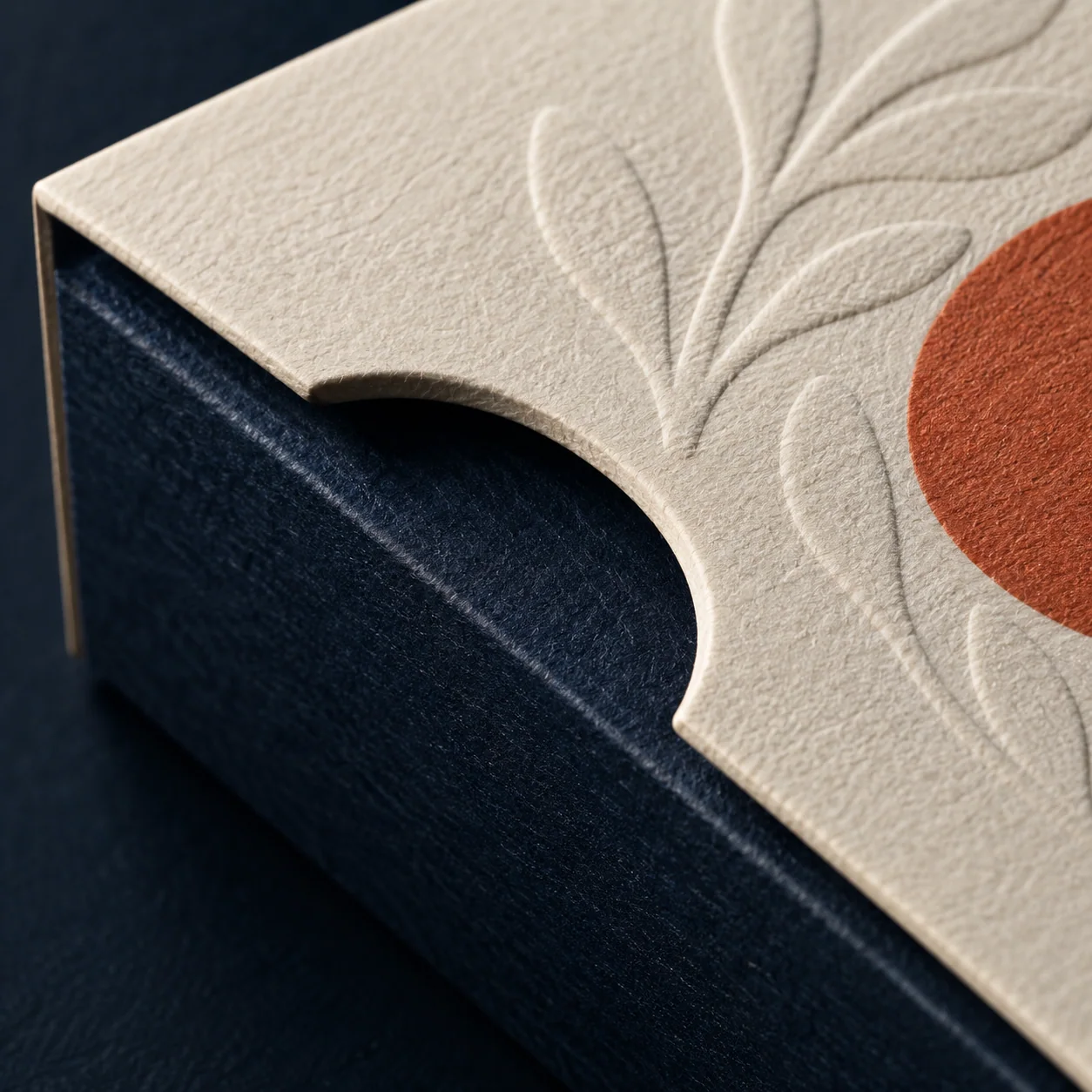
Materials guide
A useful material shortlist.
Materials vary in thickness, stiffness, finish and compatibility. The examples below are directions to explore, not a guarantee that a substrate suits every application.
Folding paperboard
A versatile starting point for printed retail cartons. Compare thickness, surface and folding performance with the product’s weight and shape.
Rigid box board
A structure for gift and presentation formats. Review wrapping, insert fit, assembly and shipping bulk.
Corrugated structures
Consider flute, strength, printing and shipping conditions together. Agree any transport testing with the specification.
Kraft & specialty papers
Texture and colour can shape the presentation. Review print contrast, coating and finishing on the actual paper.
Flexible materials
Select a film or laminate direction around contents, filling, sealing and storage. Compatibility and barrier needs require specific review.
Labels & printed papers
Match adhesive, paper, fold and binding choices to the intended surface or reading experience.
Make it tangible
Review the real sample.
Screens show a direction, not finished colour or feel. Compare the substrate, print and surface under the conditions that matter for your product.
Questions worth asking
- What does the product weigh, and how is it handled?
- What appearance, texture and colour are important?
- Does the selected material work with the chosen finish?
- Which aspects need sample approval or testing?
Environmental and product-compliance claims require appropriate specification-level evidence.