By Victoria Qiu · · 8 min read
Quick Answer
Custom packaging can be made through a packaging converter, a print-and-converting partner, a sourcing agent, or a short-run digital printer. The right path depends on your format, order quantity, artwork readiness, and delivery destination. Start by writing a specification, then request written quotes and a physical sample before you approve production.
Where Custom Packaging Can Be Made: The Main Sourcing Paths
Buyers usually have four realistic options. None is universally best. Each one shifts risk to a different part of the project, so the useful question is not “who is cheapest” but “where do I want to carry risk.”
| Sourcing path | Often suits | What to verify before you commit |
|---|---|---|
| Domestic converter or packaging partner | Mid-volume programs, tight replenishment cycles, simpler structures | Does the supplier manufacture in-house or broker the work? Who owns the dieline? Is the cost breakdown and specification in writing? |
| Direct overseas manufacturer | Higher volumes, multi-component kits, structures that need custom tooling | Tooling and plate costs, the sample approval sequence, freight terms, who is the importer of record, and what happens if a shipment fails inspection |
| Sourcing agent or trading company | Coordinating several components from different factories | Which factory actually runs the job, how your specification is translated, and who is accountable for quality inspection |
| Short-run or digital print provider | Launches, market tests, limited editions, frequent copy changes | Material choices available at low volume, print method limits, and how per-unit cost behaves when you scale |
A supplier that is honest about what it does in-house and what it outsources is easier to manage than one that answers every question with “yes.” Ask directly, and put the answer in the project file.
What to Prepare Before You Request Quotes
Missing specifications can delay quotes and make them difficult to compare. Share dimensions, quantity, and a material direction, or identify the details you still need help deciding. Prepare the following information to support a useful quotation.
- Product details: dimensions, weight, contents, and whether the item is fragile, liquid, or temperature-sensitive.
- Packaging format: folding carton, rigid box, corrugated shipper, printed bag, flexible pouch, label, or insert. If you are still deciding, describe the use case rather than guessing at a structure.
- Material and board grade: paper type, thickness or basis weight, and any coating or barrier need. If you do not know, ask for options with tradeoffs explained.
- Print and finish: number of colors, print method, and finishes such as matte or gloss lamination, foil, embossing, or spot coating.
- Artwork status: final files, draft files, or no artwork yet. This affects the timeline more than most buyers expect.
- Quantity and reorder plan: first run plus expected annual volume, so pricing tiers and plate or tooling amortization can be discussed.
- Packing and distribution: how units ship to you, case pack expectations, and whether the packaging must survive e-commerce transit.
- Destination: ship-to address, freight terms, and any market or labeling requirements that apply to your product category.
- Target in-market date: a date, not a range, so the supplier can work backward and tell you honestly whether it holds.
If some details are undecided, say so. A supplier can discuss structure and material direction around your product and use conditions. Final feasibility, specifications, and any testing should be confirmed in writing before production.
How to Shorten the Sample and Approval Cycle
Sampling gives you a chance to resolve fit, material, and print questions before production. Treat the approved sample as a documented reference for the order.
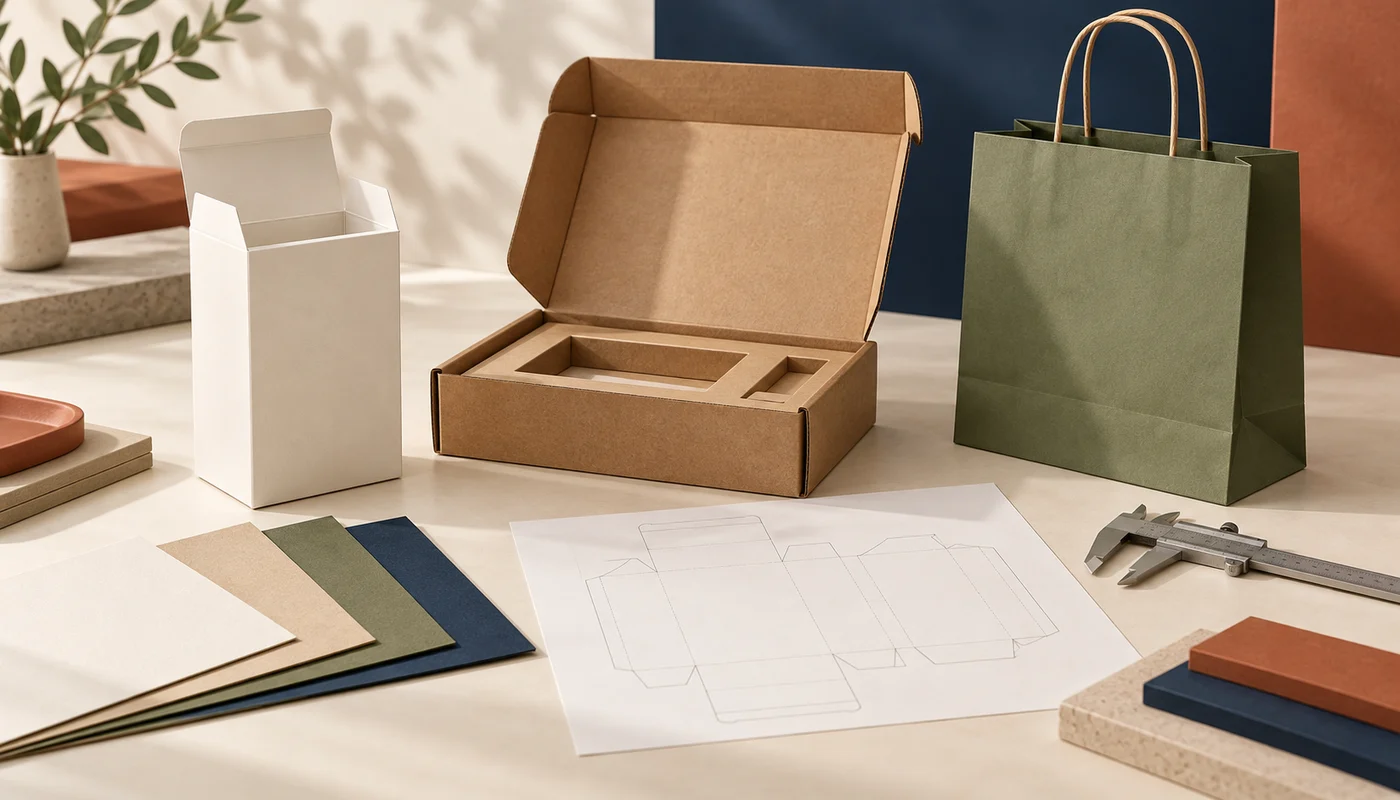
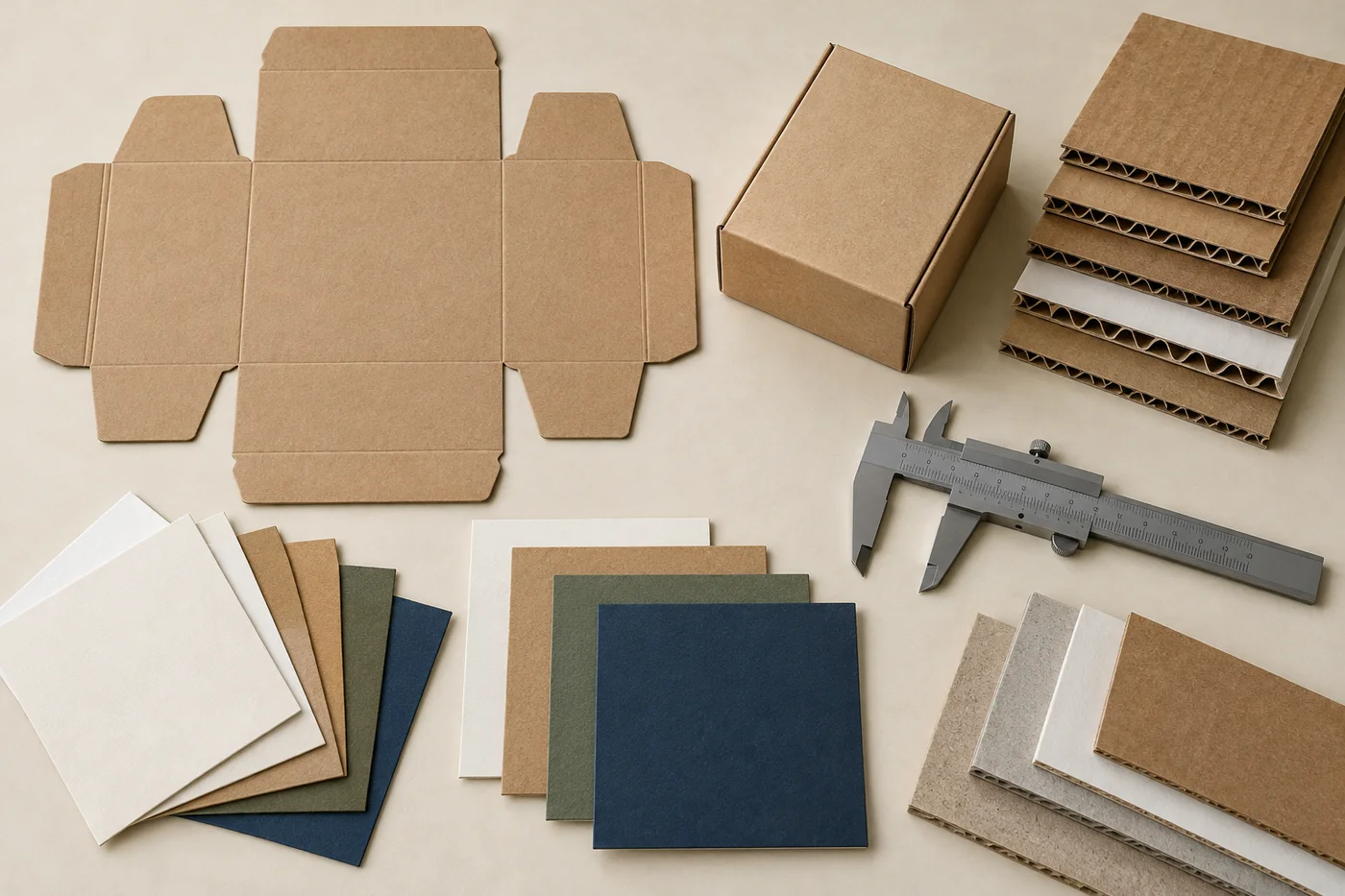
- Approve the dieline and structure first. Confirm the flat dimensions, glue tabs, locking features, and how the product sits inside before anyone prints.
- Confirm material match. The sample should use the production material or a documented equivalent. Ask what was substituted if it is not the final stock.
- Check print against an agreed reference. Approve color against a physical target, not a screen image.
- Assemble and load it. Fill the sample with the real product, close it, and handle it the way a customer would.
- Test what your channel requires. If your program needs transit or drop testing, ask in advance what test reports are available. A document listed on a checklist is not proof that a test has been run for your specific specification.
- Scan and proofread. Verify barcodes scan at the intended size and that all regulatory, ingredient, and warning copy is correct.
- Sign and date the approval. Keep the signed sample and the approved artwork file together as the production reference. This is the document you return to if a dispute arises.
Overseas production adds freight and customs to this cycle, so approval discipline matters more, not less. Build in time for a pre-production sample and, on larger runs, discuss whether a pre-shipment inspection is appropriate.
Matching the Format to the Source
Different formats tend to attract different supplier types. Knowing which category your project falls into narrows the shortlist quickly.
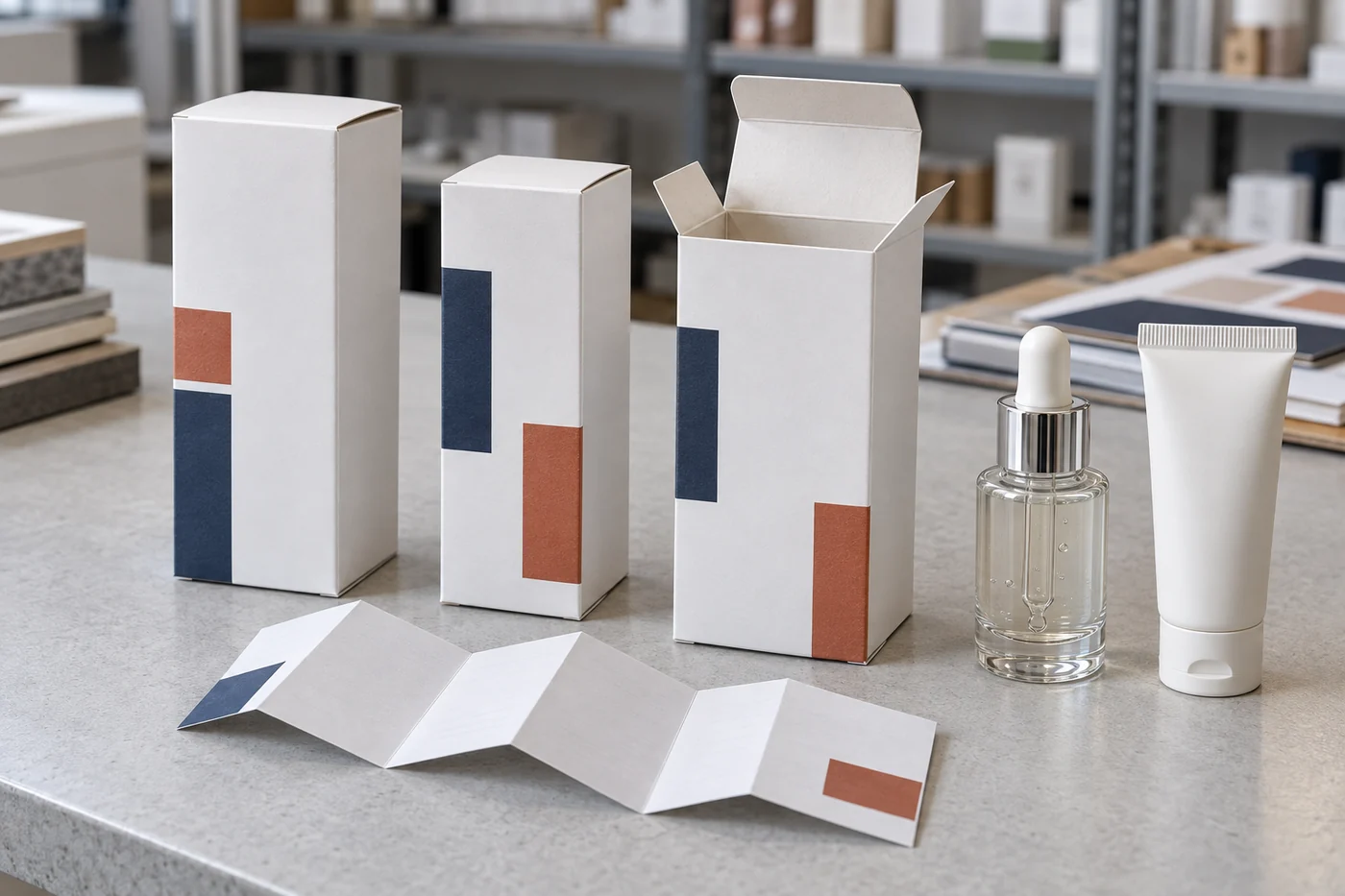
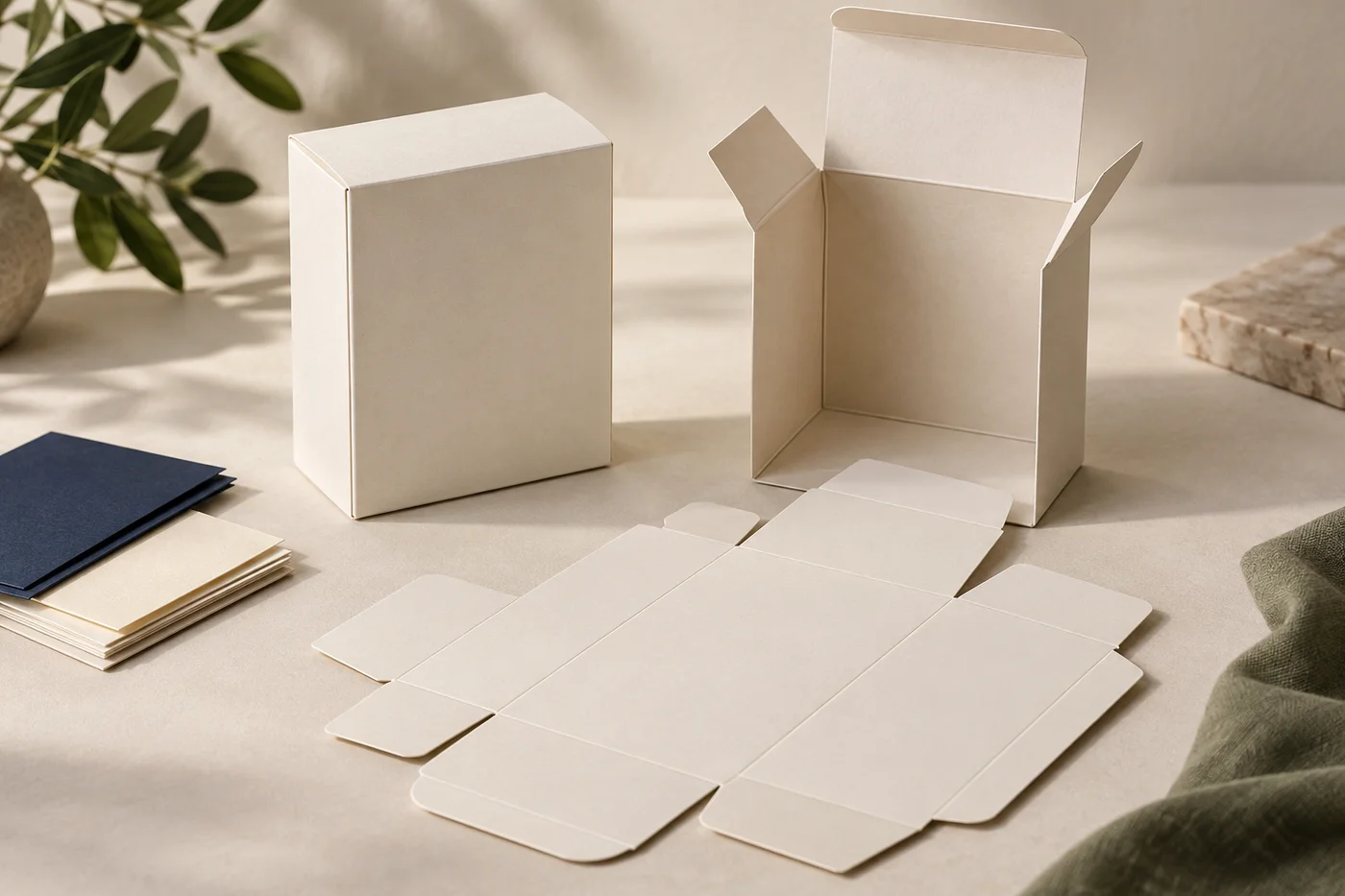
- Folding cartons and rigid gift boxes are the retail-facing formats most buyers start with. XINXIN lists both under folding cartons and gift boxes.
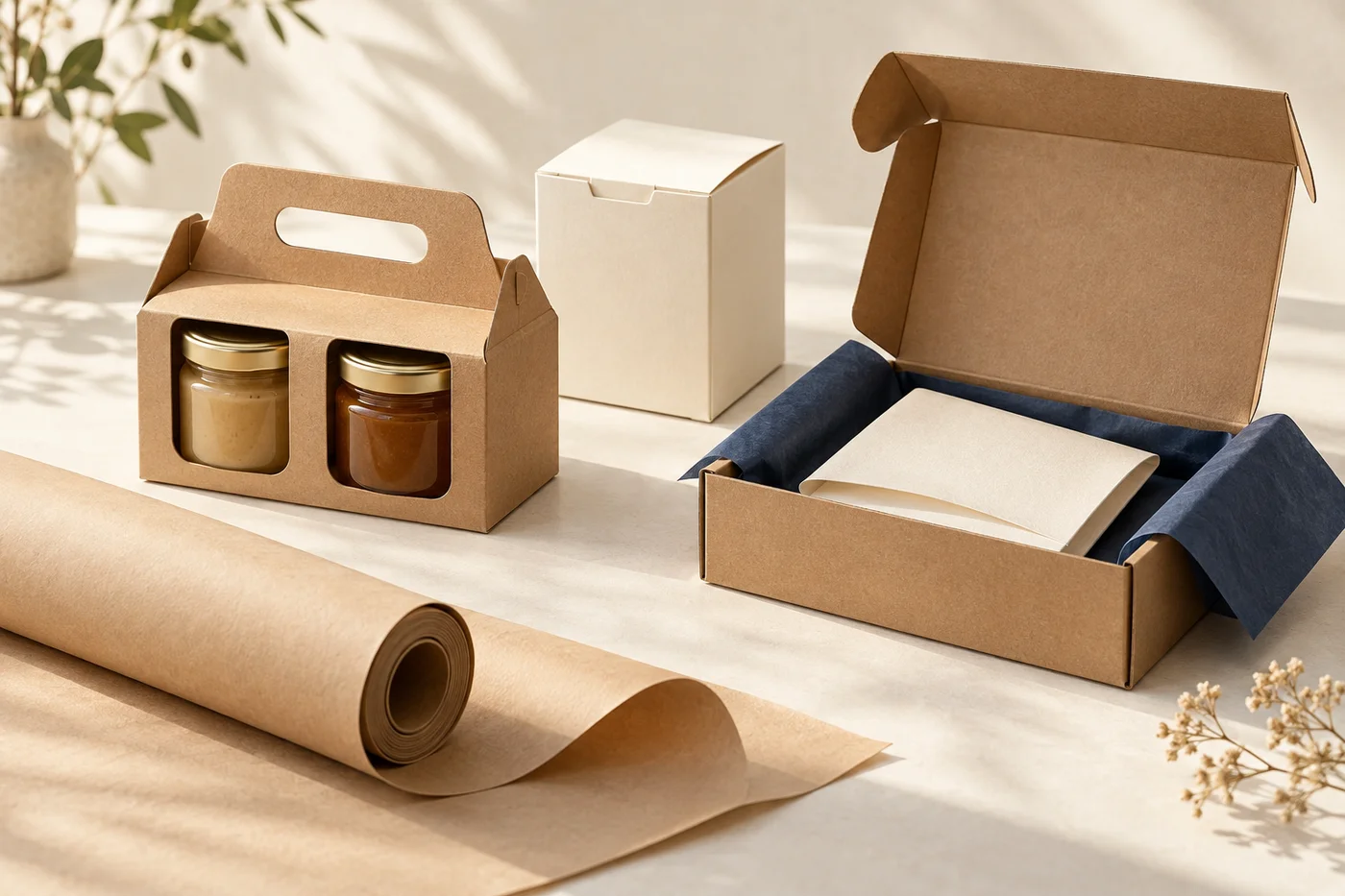
- Printed corrugated is usually about protection plus branding, and shipper specifications need to reflect stacking and transit conditions. See printed corrugated boxes.
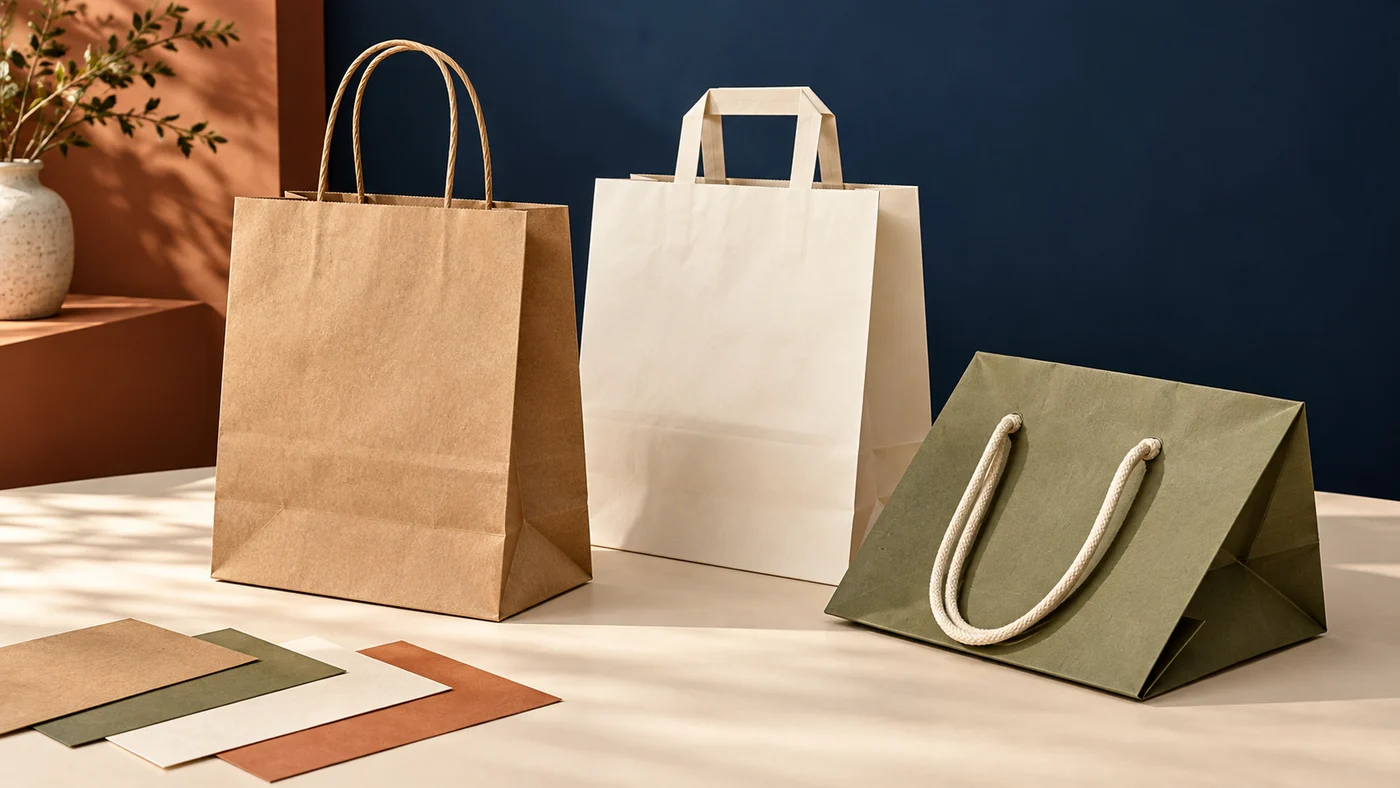
- Printed paper bags, flexible food packaging, flexible liquid packaging, and cosmetics or personal-care packaging each carry their own material and barrier considerations. Ask specifically what is available for your product and use conditions rather than assuming a standard stock.
- Printed instructions, labels, inserts, brochures, and catalogs are often quoted alongside packaging so that copy, color, and version control stay consistent across a launch.
If your project spans several of these, discuss how color references and artwork versions will be coordinated across components.
Red Flags During Supplier Evaluation
- Specifications are only discussed verbally and never appear in the quote.
- The supplier will not say whether production is in-house or subcontracted.
- Tooling, plate, or sample charges are bundled into a unit price with no breakdown.
- Sample timing is promised before your artwork and dieline are confirmed.
- Certification, food-contact suitability, or recyclability claims appear in marketing but no supporting document is offered for your material.
- No written approval step exists between sample sign-off and mass production.
None of these is automatically disqualifying, but each one needs a clear answer before you place a purchase order.
Buyer FAQs
Can I get custom packaging made without a large order? Minimum order quantities depend on the format, material, and production setup. Share your proposed specification and quantity, and ask for the minimum order and the pricing basis for that specific project rather than a general figure.
Do I need print-ready artwork before requesting a quote? No. You can request a quote with dimensions, quantity, format, and a description of the goal. Artwork can be developed or finalized afterward, though the production schedule should be confirmed only after files are approved.
Who should provide the dieline? Either side can, but confirm who creates it, who owns the final version, and who signs off on structural changes. An unapproved dieline change after printing starts is an expensive correction.
How do I compare quotes that look different? Normalize them. Ask each supplier for a line-item breakdown covering material, printing, finishing, tooling or plates, sampling, packing, and freight terms to the destination. Two quotes that differ in incoterms or material grade are not actually comparable.
Where can I get custom packaging made for a product launch on a fixed date? Work backward from the in-market date: artwork approval, sample approval, production, and transit. Ask for a written schedule after those details are reviewed, and treat the schedule as an output of the approved specification, not a promise made in advance.
Next Step
Send your project details to XINXIN Printing & Packaging and include product dimensions, order quantity, artwork status, delivery destination, and application requirements. If some details are still open, describe the goal and the constraints first. You can also email the same information to info@xinxinprint.com. A written quote, sample plan, and any relevant approval or testing documents can then be confirmed against your specification.
General guidance only. Discuss the product-specific materials, process, market requirements and testing before approving production.