By Victoria Qiu · · 8 min read
Cosmetic packaging printing is most useful when the carton, folded insert and any QR-linked page are planned as one campaign system. Give each element a distinct job, lock artwork and fold specifications before final files are released, control language and variant data, and test the actual printed code and destination rather than a screen preview. This guide sets out the practical checkpoints.
Why Packaging Print Is Part of the Brand Campaign
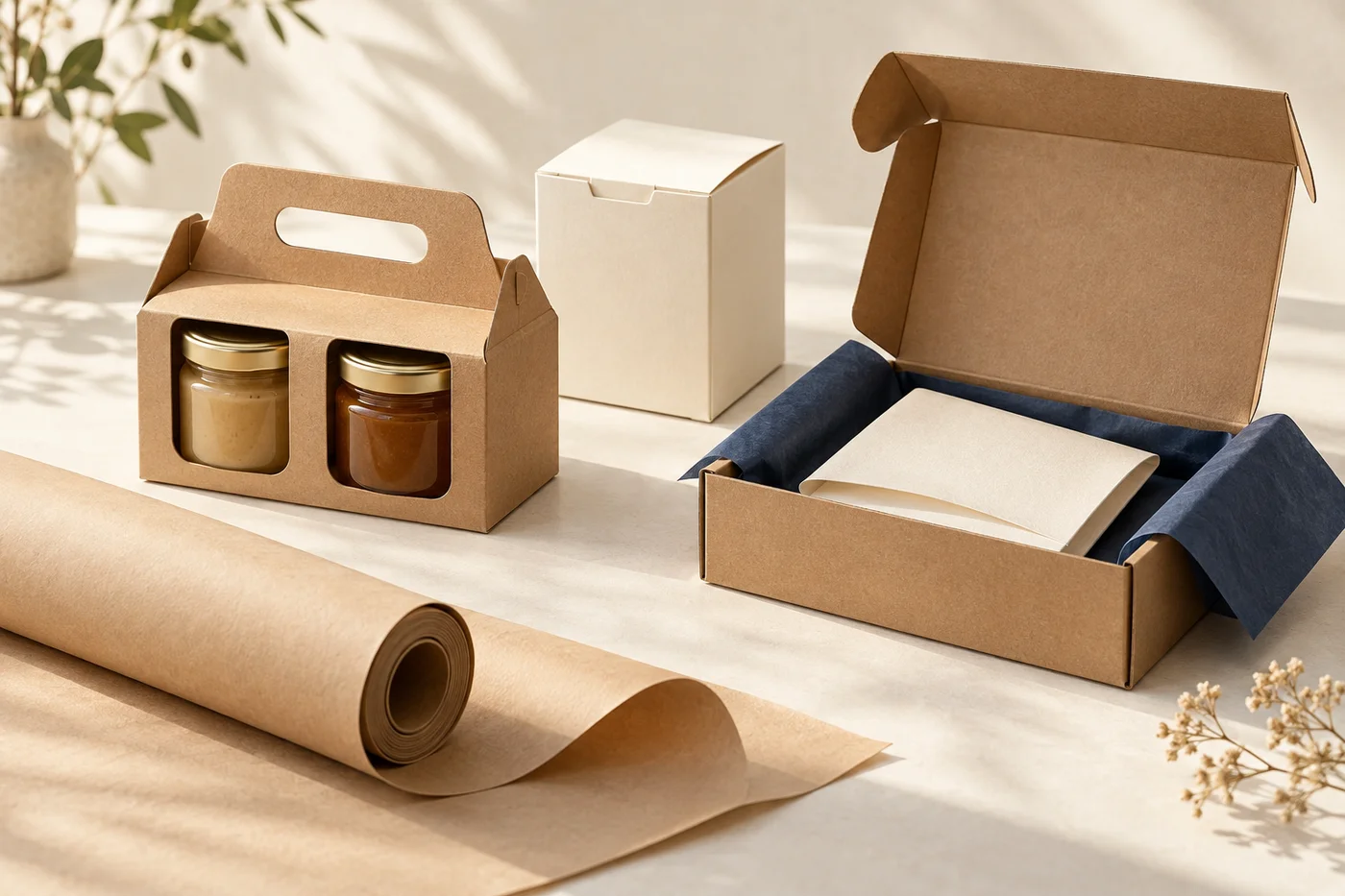
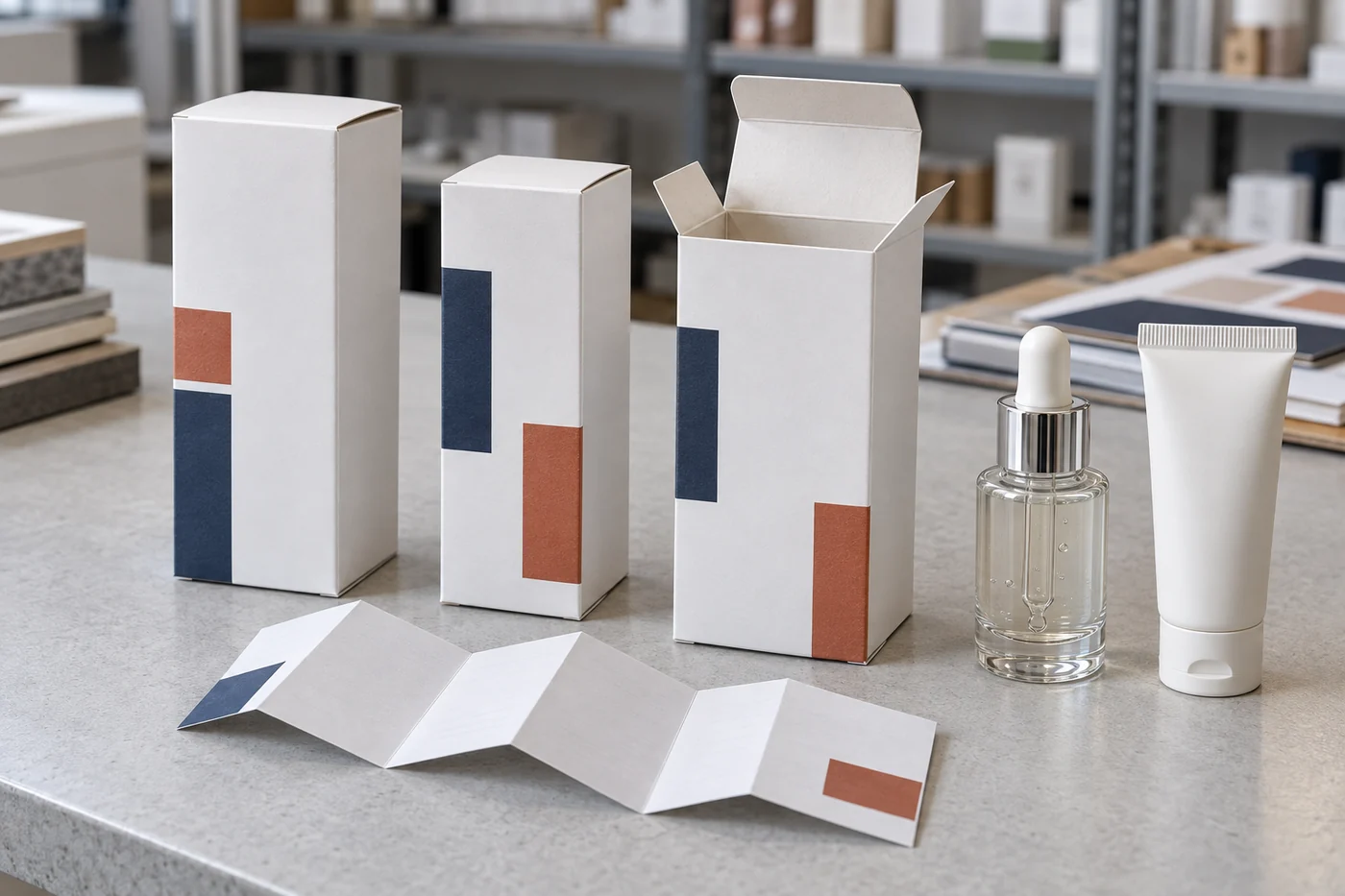
A cosmetic carton is often the first physical expression of a campaign. Custom cosmetic cartons carry presentation—color, finish, structure and the first readable message—while the folded packaging insert carries product-specific information approved by the brand team. A QR-linked page is optional and should add a useful experience, such as an approved tutorial, language selection or product support, rather than repeat what is already printed. A QR destination does not replace required physical information.
The industry discussion around variable print and connected packaging supports that division of labor. Mondi’s May 2026 glassware case study shows white digital printing on brown kraftliner with variable designs and serialized QR codes. It is a glassware example, not a cosmetic trial, and it does not establish XINXIN equipment or results. HP’s undated Reinventing Creativity page presents digital printing and personalization as campaign tools; that is a supplier platform, not independent research. Plan print and digital touchpoints together so messages, artwork versions and destinations stay consistent.
Give the Carton, Insert and Digital Page Different Jobs
When one team owns the carton, another writes the insert and a third manages the landing page, inconsistencies appear at final artwork. US brand owners and international buyers can avoid much of that by assigning a clear job, data owner and sample check to each element.
| Element | Main job | Artwork data to lock | Approval owner | Sample check |
|---|---|---|---|---|
| Custom cosmetic carton | Brand presentation and shelf presence | Dimensions, dieline, material, print colors, finish, version code | Brand marketing and packaging lead | Structure, color, text at final size, code clear area |
| Folded packaging insert | Clear, product-specific approved information | Open and folded size, fold pattern, panel order, language, type size, paper opacity | Product or regulatory team, then printer | Fold accuracy, panel sequence, readability, fit inside carton |
| QR-linked page | Optional campaign or support experience | URL, language routing, redirect rules, page owner, review date | Brand digital and privacy reviewers | Live scan on printed sample, destination content, language and redirect |
The table is a planning aid, not a regulatory classification. A printer can check reproduction and folding, but the brand must confirm that copy and claims are approved. The aim is clear messages, consistent artwork, usable inserts, controlled variants and a checked digital destination.
Specify the Folded Insert Before Final Artwork
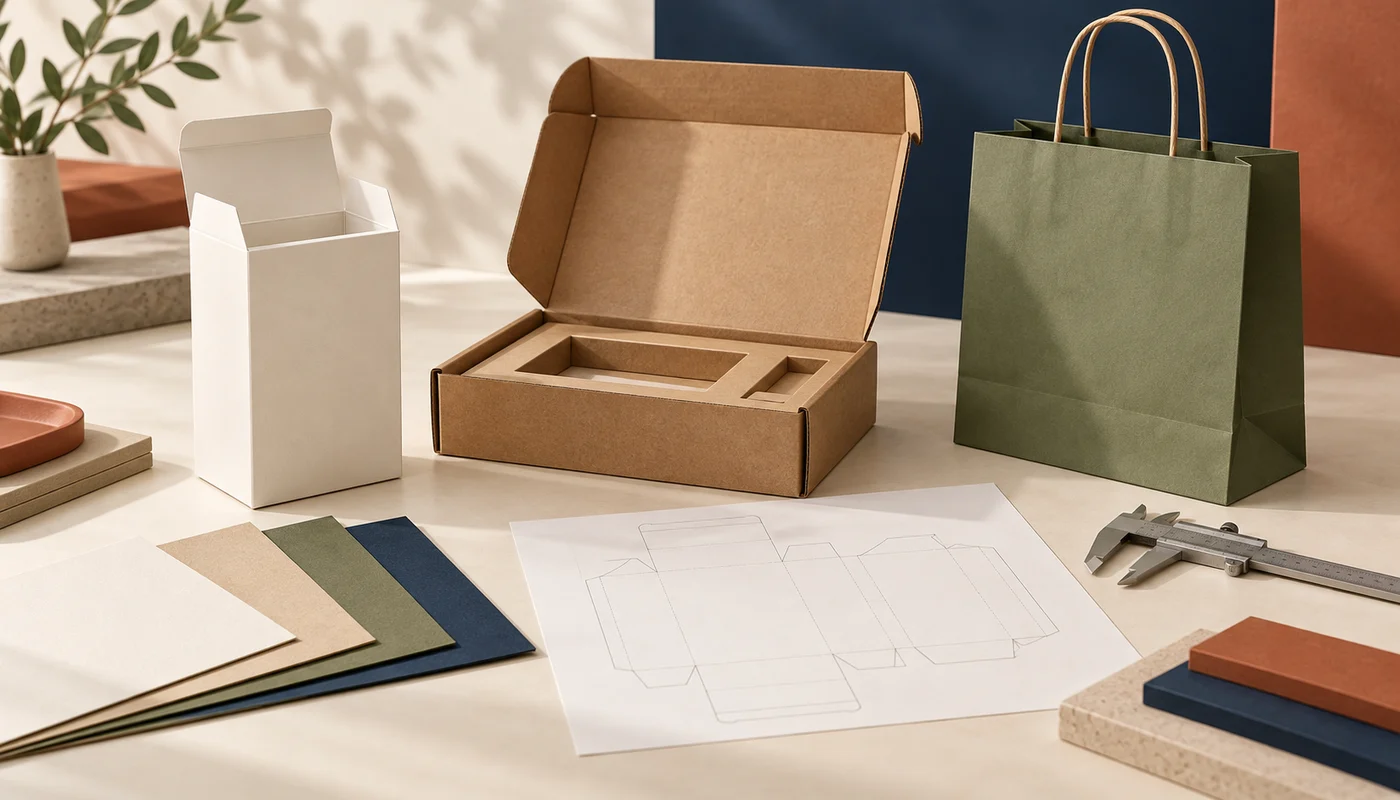
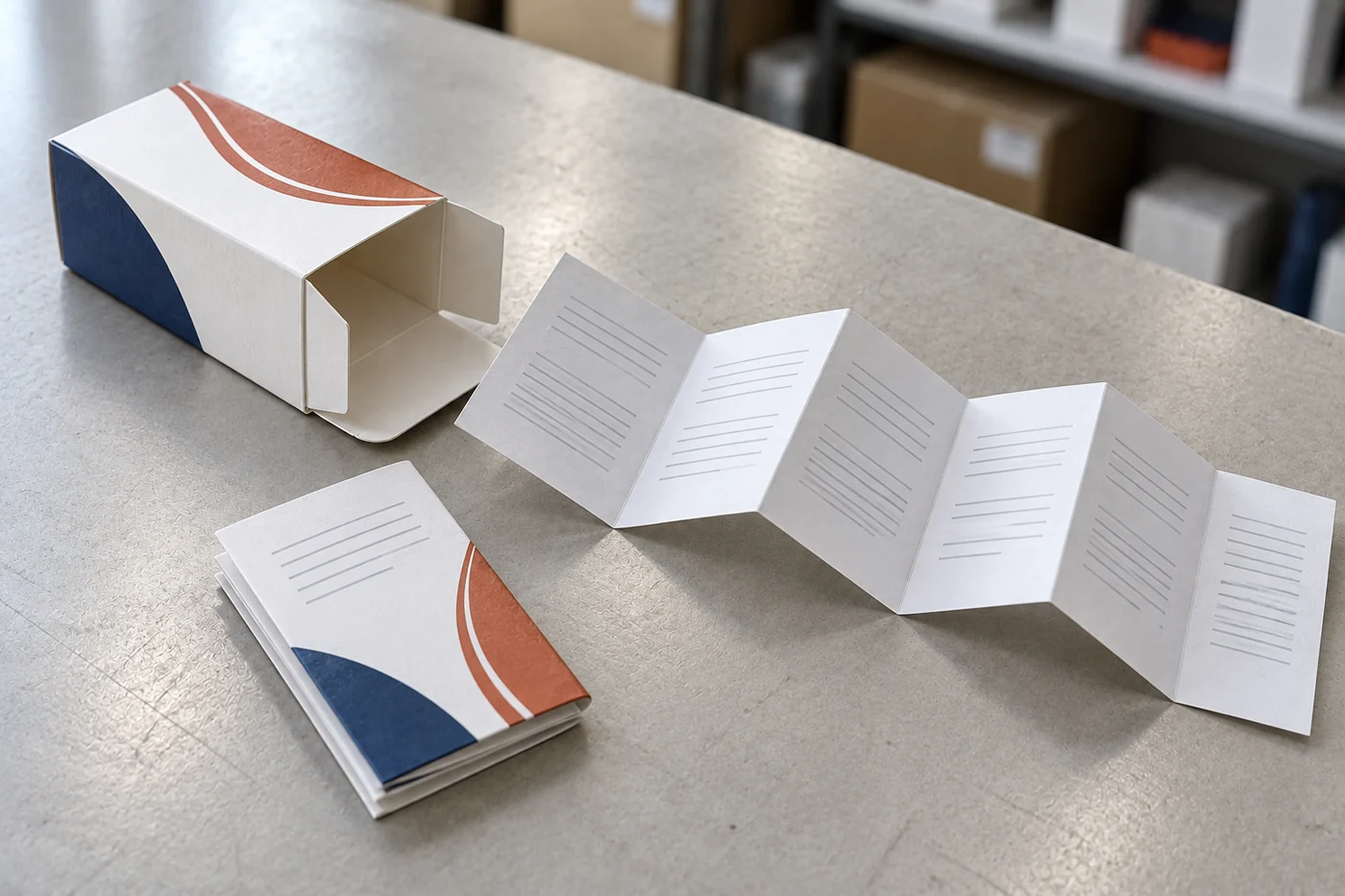
Check three practical points early: whether the panels fold in the intended order, whether the text is readable at actual size, and whether the folded leaflet fits the carton. Resolve them with a fold drawing and physical dummy before releasing the print file.
Start with the open size and the finished folded size. Add the fold pattern, panel order and the sequence in which the user should read the panels. If the insert must sit inside a specific carton, confirm the available space and whether the leaflet is placed by hand or by an insertion line. Ask the printer to review grain direction and fold behavior, especially where a fold crosses heavy ink coverage.
For leaflet printing, review readability at final size rather than on a monitor. Check paper opacity if text appears on both sides, and check that the chosen paper handles the required folds without cracking at the fold line. Keep a version code on the artwork and approval record. Do not rely on a generic paper weight or type size; agree those points with the printer and the brand’s responsible team for the specific product and market.
Request a physical dummy. Fold it, open it, place it in the carton and read it under normal light.
Plan Print Variants and QR Destinations Together
Variant control matters when a cosmetic packaging project has several approved artworks. One product may need several carton artworks for languages, market-specific copy, campaign periods or retailer requirements. Treat each approved combination as a controlled variant with its own code, rather than asking a printer to “just change the text” on a shared file.
Build a variant matrix before final artwork: product, market, language, carton version, insert version and destination URL. Confirm who owns each code and who can approve a change. Archive superseded files separately and mark them as obsolete so they cannot be mistaken for the release version.
For QR code packaging, define the intended use first. A promotional web QR opens a chosen online experience. A QR Code using GS1 Digital Link can support product identification and a digital experience when the encoded data and receiving systems meet the relevant requirements. A promotional URL code should not be assumed to work at checkout; confirm the symbol, data, placement and verification plan with the data owner and retailer. GS1’s July 2026 position paper describes an industry goal for retail POS systems to support defined GS1-conformant 2D barcodes by the end of 2027, alongside existing linear barcodes. That is a voluntary capability ambition, not a universal labeling law or permission to remove linear barcodes. Ask the barcode or data owner and the retailer what is required for the specific pack.
Test the printed sample, not a screenshot. Scan the code on the folded carton and insert, check the destination, language routing and redirect behavior, and confirm who maintains the page after launch. A serialized code does not by itself provide authentication or counterfeit protection. If the brand measures scans or destination interactions, use a privacy-reviewed setup and avoid invented return figures.
A Sample Approval Checklist
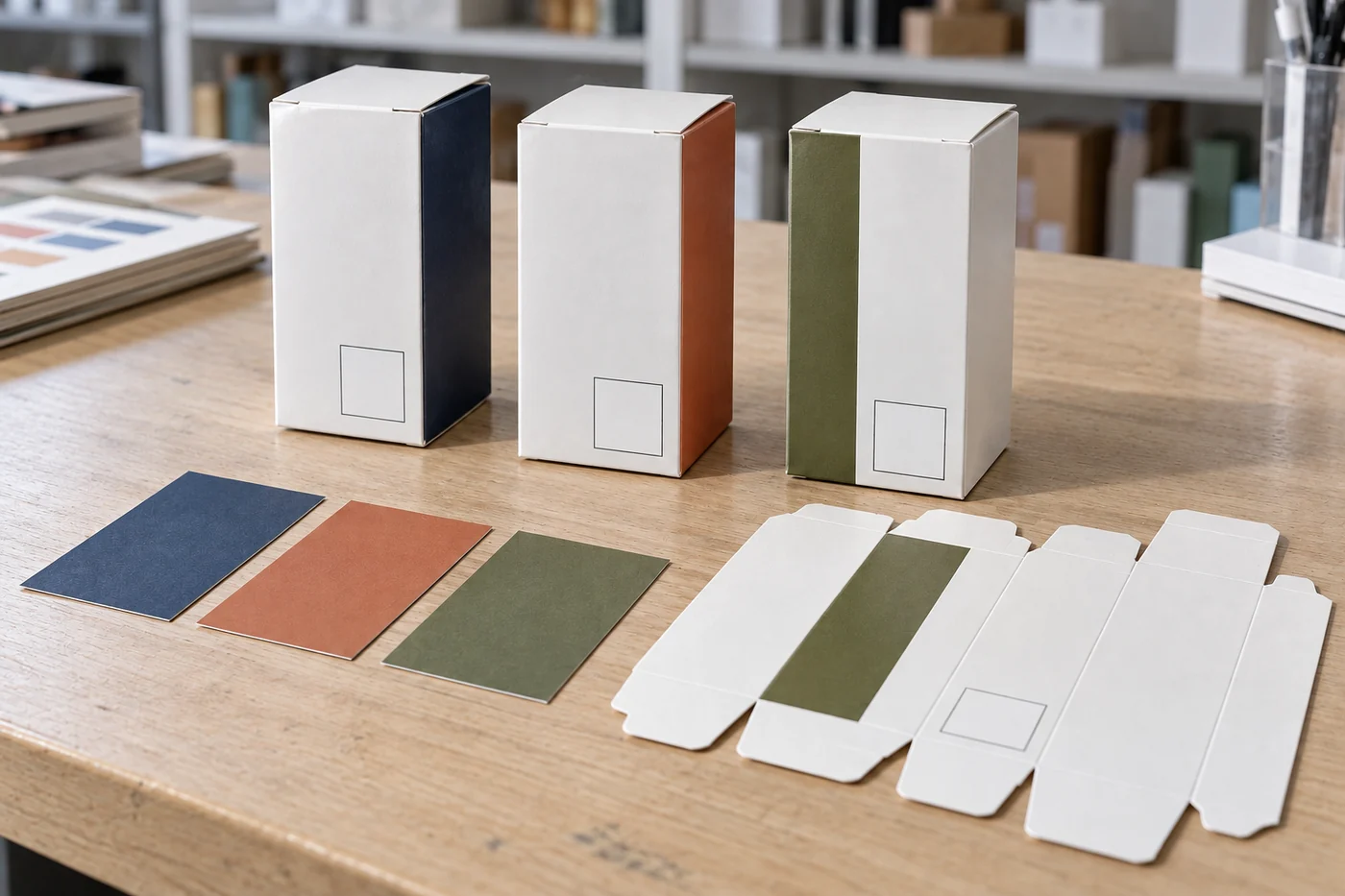
Use one checklist across carton and insert so that handoffs are visible:
- Approved copy and claims signed off by the responsible brand team
- Dieline, fold drawing and finished dimensions version-matched
- Insert open and folded size checked against the carton opening
- Language and variant matrix approved with version codes
- Barcode or QR data owner confirmed purpose and placement
- Color proof reviewed under agreed lighting
- Printed code scanned at actual size on the final substrate and finish
- Destination live, language correct and redirect owner named
- Signed physical sample retained as the production reference
The checklist does not replace the brand’s own quality or compliance review. It makes the approval sequence easier to audit and gives the printer a single reference point. For artwork preparation, see the print-ready artwork checklist.
Buyer FAQs
How should I specify a folded insert? Provide open and folded dimensions, fold pattern, panel order, paper preference, product and language. Ask for a physical dummy before final artwork.
Can one artwork file cover several variants? It can, but separate version codes are easier to approve and harder to mix up. Use a variant matrix.
Can a promotional QR replace a retail barcode? Not automatically. Some GS1-conformant QR implementations can serve retail and consumer uses, while a promotional web link has a different purpose. Agree on the encoded data, retailer compatibility and verification before changing an existing barcode.
What should I approve before print? Approved copy, dieline and fold drawing, color proof, a scan of the printed code on the actual sample, and a live destination check.
Discuss Your Cosmetic Packaging Print Brief
Send a usable brief rather than a finished-looking mockup: carton dimensions and dieline, insert open and folded dimensions, fold pattern, quantities per artwork and language, artwork status, destination market, finishing requirements and who owns any campaign code. The cosmetics packaging and printed instructions pages show the relevant product categories.
Commercial information from XINXIN
Contact XINXIN through the contact page or email info@xinxinprint.com to discuss cosmetic packaging printing, custom cosmetic cartons, folded packaging inserts and leaflet printing. Include your artwork status and variant plan so the reply can address the actual specification.
Sources and Scope
Sources reviewed on 31 October 2026:
- GS1 position paper on single 2D barcodes for private-label products — Release 2.0.0, July 2026.
- Mondi: packaging as a brand experience for Riedel Glas — 5 May 2026.
- HP Reinventing Creativity — undated, accessed 31 October 2026.
The company examples describe those organisations’ own work. Confirm the proposed printing process, product copy and code requirements for your specific packaging project.
General guidance only. Discuss the product-specific materials, process, market requirements and testing before approving production.